
When an old forklift truck reaches the end of its economic lifespan, proper disposal is required. The vehicle and battery must be considered separately, as they are subject to different legal requirements.
This guide explains the proper disposal of forklifts with collection, shows costs, legal obligations and explains how recycling and reuse can be carried out safely and in an environmentally friendly manner.
When does it make sense to dispose of a forklift?
Disposal makes sense when repairs become prohibitively expensive or the forklift can no longer be operated safely. Scrapping the old forklift is also often the logical step when purchasing a new one.
Improper disposal can cause environmental damage and lead to legal consequences. Therefore, regulated processes should always be used.
Disposing of forklifts: Differences depending on the forklift type
Proper disposal of diesel forklifts
Diesel forklifts contain fuel, engine oil, and hydraulic oil. These fluids must be collected separately and disposed of in an environmentally sound manner before scrapping.
After emptying, dismantling follows. Metallic components are recycled, other materials are separately sent for reuse.
Properly scrap gas forklifts
Gas-powered forklifts use pressurized gas cylinders that must be safely emptied before transport. Errors in this step pose significant safety risks.
The next step involves separating the metal, plastic, and electronics for efficient scrapping of forklifts.
Disposing of electric forklifts
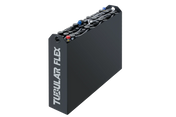
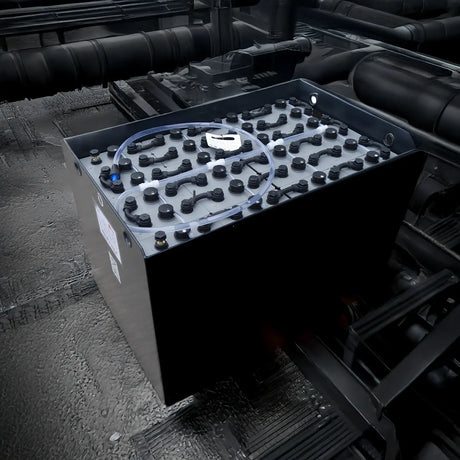
In electric forklifts, the battery is the most critical component. It is removed before scrapping and treated separately.
Electric motors, cables and electronics contain valuable raw materials such as copper, which are specifically recycled and reused.
Proper disposal: Legal requirements
Forklifts may only be disposed of through certified waste management companies. This is based on the Waste Management Companies Ordinance (EfbV).
Before commissioning, it should be checked whether the company has a valid EfbV certification, for example by TÜV, DEKRA or DNV.
Forklift disposal with collection: Procedure
1. Collection and transport
After scheduling an appointment, the vehicle will be picked up directly from its location. Depending on the weight and condition, a tow truck, low loader, or special loading equipment will be used.
Even old forklifts that are not roadworthy can be safely loaded and transported away.
2. Disassembly and material separation
The forklift is dismantled at the recycling plant. Metals, plastics, and electronic components are cleanly separated.
This separation is a prerequisite for efficient recycling and a high recycling rate.
3. Proof of disposal
Once the disposal process is complete, a certificate of recycling or disposal is issued. This confirms that the treatment was carried out in accordance with the law and in an environmentally sound manner.
The retention period for this evidence is at least two years and is relevant for compliance and audits.
Battery disposal: Battery law and differences
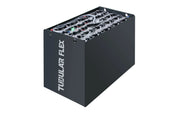
Dispose of lead-acid batteries properly
The take-back and disposal of lead-acid batteries is regulated by the Battery Act (BattG). Manufacturers and retailers are obligated to take them back free of charge.
Lead-acid batteries achieve a recycling rate of almost 100%. Lead can be reused without any loss of quality, which makes them particularly attractive from an economic standpoint.
Collection points include municipal recycling centers and take-back systems such as GRS, CCR Rebat, ÖcoReCell or ERP.
Disposing of lithium-ion batteries
Lithium-ion batteries are classified as hazardous materials. Damaged batteries pose a high fire risk and must be handled separately.
Special containers, labeling, and authorized companies are required for transport and disposal. Additional disposal costs of approximately €200–500 are typical.
Recycling and reuse of scrap metal and valuable materials
Steel, copper, and other metals from forklifts are fully recycled. Electric forklifts, in particular, contain significant amounts of copper.
Clean separation reduces the use of raw materials and makes an active contribution to environmental protection.
Realistically assess disposal costs
For forklifts with lead-acid batteries, disposal is often cost-neutral or even generates revenue, as the battery and scrap metal have a market value.
In contrast, lithium-ion batteries incur additional costs due to hazardous material handling and specialized disposal routes.
Car dismantlers or scrap dealers – what to look out for
Not every scrap yard is suitable for disposing of forklifts. Experience with industrial trucks and EfbV certification are crucial.
Without proper documentation, there is a risk during inspections or subsequent inquiries by authorities.
Regeneration as an alternative to disposal
Not every forklift battery needs to be disposed of immediately. In many cases, regeneration is possible, restoring performance and significantly extending the battery's lifespan.
This reduces disposal costs, saves money, and conserves resources. Further information on forklift battery regeneration can be found here .
Checklist: Proper disposal of forklifts
The forklift type, battery type, weight, and accessibility should be clarified beforehand. The condition (operational or not) also affects collection and costs.
It is important to consistently use certified waste disposal companies and to fully document all evidence.